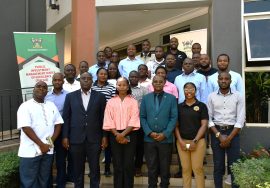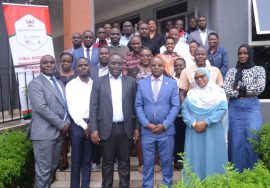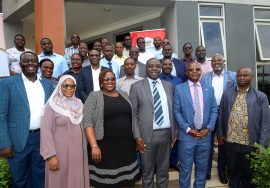
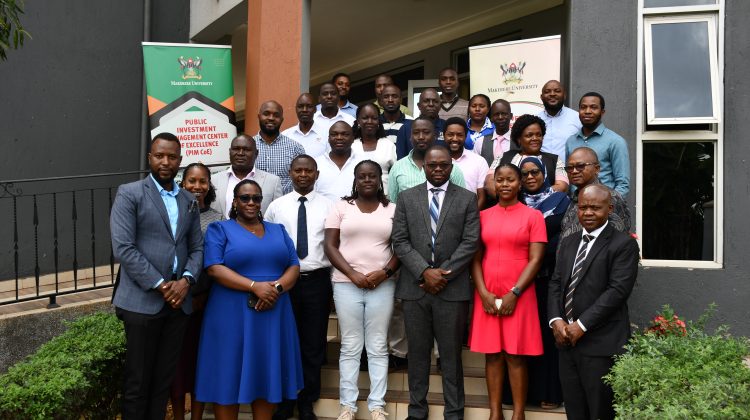
PIM centre of Excellence, Ministry of Finance Launch 4th Cohort Training on Certificate of Financial Implications
Makerere University’s Public Investment Management (PIM) Centre of Excellence, in partnership with the Ministry of Finance, Planning and Economic Development (MoFPED), has commenced the fourth cohort of the Capacity Enhancement and Hands-on Training on the Guidelines for Financial Clearance and the Certificate of Financial Implications (CFI) – Integrated Regulatory Cost-Benefit Analysis.
The two-week training, held in Jinja, brings together economists, policy analysts, and technical officers from Ministries, Departments and Agencies (MDAs) to strengthen their capacity in conducting financial and economic assessments of government policies and legislation.
Speaking at the opening ceremony, Assistant Commissioner Mohammed Kabaale, who represented the Permanent Secretary and Secretary to the Treasury (PSST) emphasized the critical role of the Certificate of Financial Implications in promoting sound fiscal governance and evidence-based policymaking.
“The Certificate of Financial Implications is not merely a procedural requirement. It is a critical safeguard within our public finance management framework,” Mr. Kabaale noted. “It ensures that all policy and legislative proposals submitted to Cabinet or Parliament are fiscally sustainable, consistent with Government’s macroeconomic objectives, and aligned with our national development priorities.”
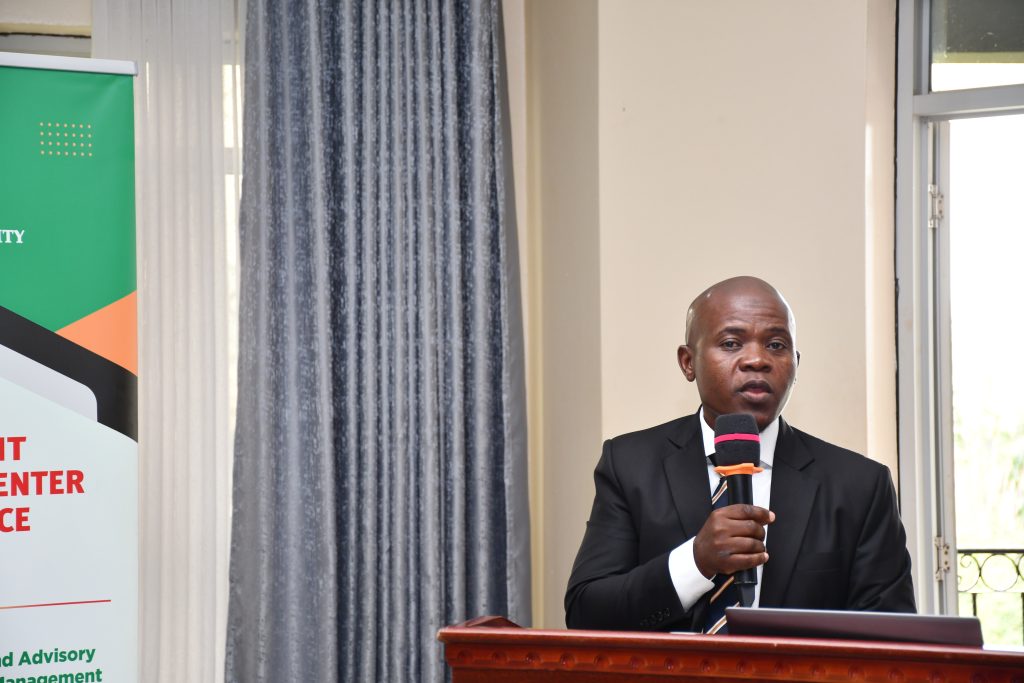
Mr Kabaale explained that the revised Guidelines for Financial Clearance, which became effective at the start of the current financial year, provide a strengthened institutional and analytical framework for assessing policy proposals. The guidelines require Regulatory Impact Assessments, Statements of Financial Implications from respective MDAs, evidence of stakeholder consultations, and Integrated Regulatory Cost-Benefit Analysis conducted by the Ministry of Finance.
According to the PSST, these requirements are intended to strengthen inter-agency coordination, improve the quality of the financial clearance process, and ensure that public resources are allocated in a manner that delivers maximum value for money to citizens.
The training is being delivered in partnership with Makerere University’s Public Investment Management Centre of Excellence, established in 2023 to build national capacity in public investment management and policy analysis.
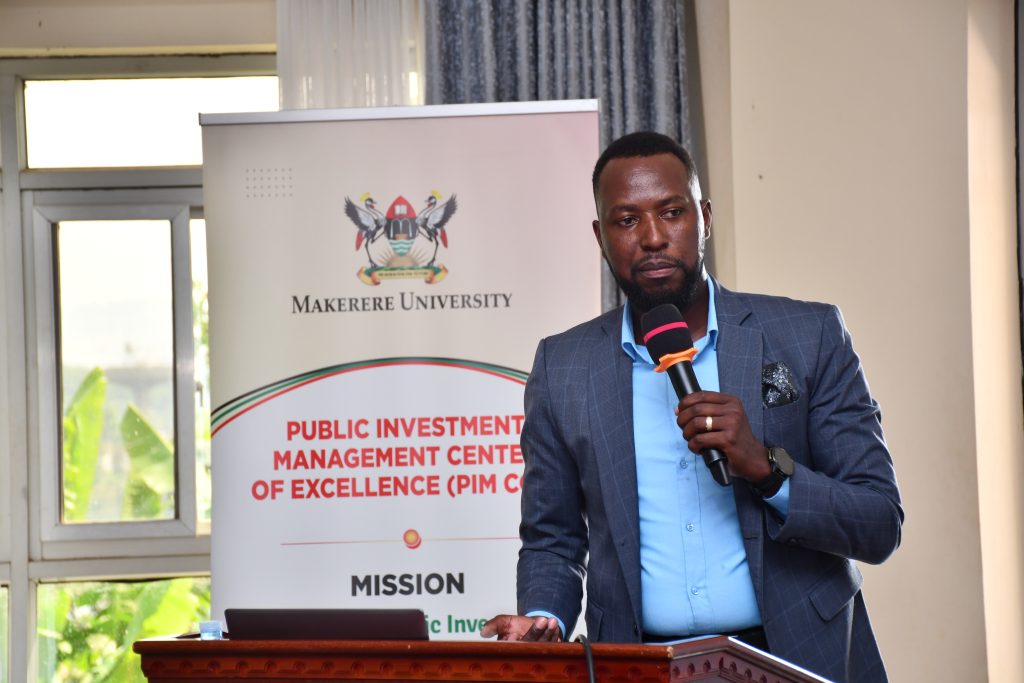
Representing Makerere University, the Dean of the School of Economics, Prof. Ibrahim Mike Okumu, commended the Ministry of Finance for its foresight in establishing the PIM Centre of Excellence and investing in capacity development for public servants.

“Uganda faces a triple challenge of scale, scarcity and speed,” Prof. Okumu said. “As our population grows, financing becomes more constrained, and citizens demand faster service delivery, every shilling must deliver greater value. Cost-Benefit Analysis and Financial Implications assessments help government make decisions that are beneficial, affordable and resilient under real fiscal constraints.”
Prof. Okumu noted that while Cost-Benefit Analysis helps determine whether a policy or project is worthwhile, integrating Financial Implications assessments ensures that proposed interventions are fiscally sustainable and implementable.
He challenged participants to apply the skills acquired during the training at project, portfolio and policy levels by improving project selection, prioritizing investments that generate the highest economic returns, and institutionalizing evidence-based decision-making across government.
“Analysis must translate into transformation,” he said. “The ultimate measure of success will be the decisions that change because of your work, the value you unlock for Uganda, and the lives that are transformed because you asked the right questions.”
The Dean further observed that integrated financial and economic analysis is increasingly important globally as countries seek to mobilize resources for climate action, digital transformation and sustainable development. He described the participants as part of a growing community of professionals capable of strengthening investor confidence and enhancing public trust through credible policy analysis.
Both speakers underscored the importance of professional integrity, continuous learning and institutional collaboration in advancing Uganda’s public finance reform agenda.

The PSST encouraged participants to engage actively throughout the training and to champion the implementation of the revised guidelines within their respective institutions. The Ministry, he added, will continue investing in systems automation, capacity development and stakeholder engagement to strengthen evidence-based financial clearance processes across government.
The training marks another milestone in the partnership between Makerere University and the Ministry of Finance aimed at building a critical mass of public sector professionals equipped to support fiscally responsible, socially inclusive and economically sound policy decisions.
The fourth cohort follows the successful completion of three earlier cohorts conducted during the current financial year and forms part of ongoing efforts to strengthen Uganda’s public investment management and policy formulation systems.