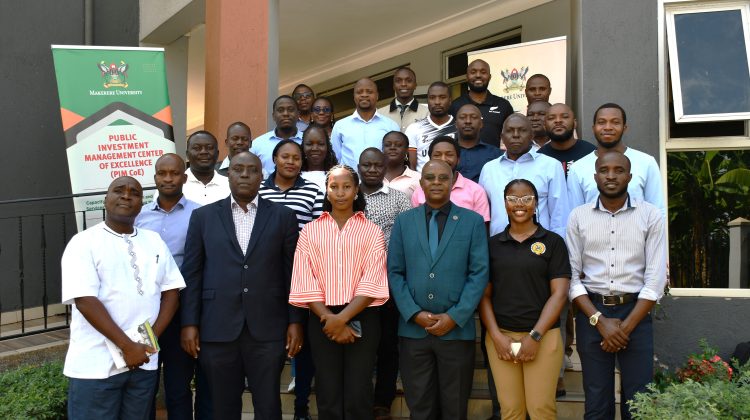
PIM Centre, MoFPED Award Certificates to 4th Cohort of CFI Trainees
The Public Investment Management (PIM) Centre of Excellence at Makerere University, in partnership with the Ministry of Finance, Planning and Economic Development (MoFPED), has graduated the fourth cohort of officers trained in Integrated Regulatory Cost-Benefit Analysis (IRCBA) and the preparation of Certificates of Financial Implications (CFIs), marking another milestone in strengthening evidence-based policymaking and fiscal governance in Uganda.
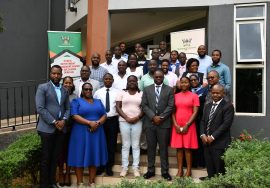
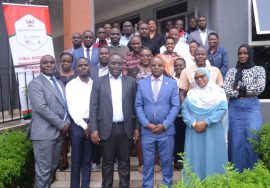
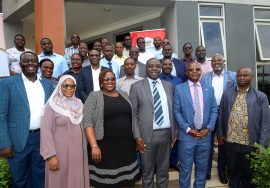
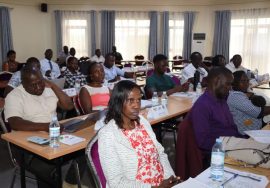
A total of 40 officers from various Ministries, Departments and Agencies (MDAs) successfully completed the intensive two-week Capacity Building Training on the Guidelines for Financial Clearance, culminating in the award of certificates during a closing ceremony held in Jinja.
The programme, jointly implemented by the PIM Centre of Excellence and the Ministry’s Infrastructure and Social Services Department (ISSD), equips public officers with practical skills to prepare robust Statements of Financial Implications that support the issuance of Certificates of Financial Implication (CFIs) in accordance with the revised Guidelines that came into effect on 1 July 2025.
Building a critical mass of public sector analysts
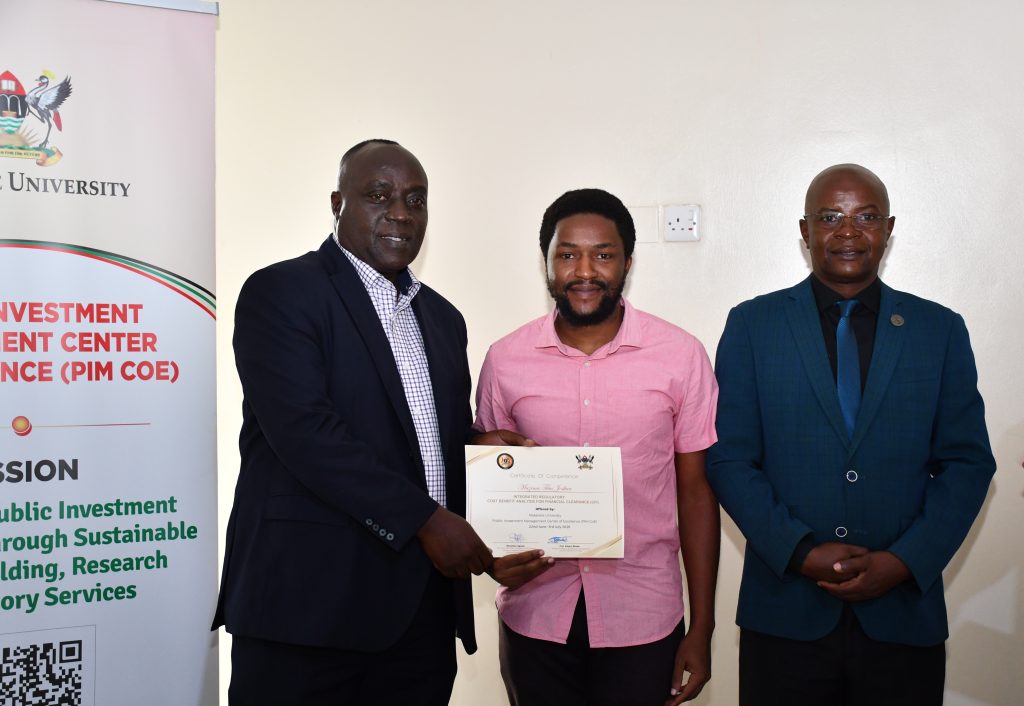
Representing the Ministry of Finance, Commissioner Henry Mwanja, Commissioner for the Infrastructure and Social Services Department, congratulated the participants for successfully completing the demanding programme despite their responsibilities related to implementation of the Fourth National Development Plan, the Tenfold Growth Strategy and the FY2026/27 Budget.
He described the revised Guidelines for the Issuance of Certificates of Financial Implication as a major reform aimed at making public policy development more transparent, consultative and analytically rigorous.
According to the Commissioner, participants are now better equipped to assess fiscal implications, evaluate broader economic impacts, identify distributional effects, manage uncertainty and undertake Integrated Regulatory Cost-Benefit Analysis in a structured and consistent manner. However, he reminded participants that the value of the training would only be realised through practical application.
“The knowledge, tools and skills you have acquired must now be consistently applied in your day-to-day work. Analytical rigour must become routine practice, not an occasional exercise,” he emphasized. He added that the Ministry would continue expanding the programme to train more officers across Government as part of efforts to institutionalize evidence-based policymaking and strengthen fiscal sustainability.
Participants urged to champion evidence-based policymaking
Prof. Edward Bbaale, Director of the PIM Centre of Excellence, commended participants for their dedication, discipline and active engagement throughout the programme. He noted that the training had equipped participants with analytical tools to assess the financial, socio-economic, distributive and risk implications of proposed Bills, policies and legislation, enabling them to prepare stronger and more credible Statements of Financial Implications.
“The true success of this training will not be measured by the discussions held here, but by how effectively you apply this knowledge within your respective Ministries, Departments and Agencies,” Prof. Bbaale said.
He challenged participants to become ambassadors of Integrated Regulatory Cost-Benefit Analysis by promoting analytical rigour, mentoring colleagues and strengthening evidence-based decision-making across government institutions.
Prof. Bbaale also applauded the long-standing collaboration between Makerere University and the Ministry of Finance, describing it as a model partnership that successfully bridges academia and public service to strengthen public financial management in Uganda. Beyond capacity building, he highlighted the Centre’s growing contribution to public investment reforms through research, policy advisory and technical support, including its role in revising Development Committee Guidelines and assessing Uganda’s public investment performance.
Highest-performing cohort celebrated

Speaking on behalf of the PIM Centre of Excellence, Dr. John Sseruyange, Manager of the Centre, thanked the Ministry of Finance, particularly the Infrastructure and Social Services Department, for its continued partnership in implementing the programme. He observed that each successive cohort had benefited from continuous improvements in the curriculum and delivery of the training.
Dr. Sseruyange also applauded the PIM Centre faculty, facilitators from the Ministry of Finance, Uganda Development Bank (UDB) and the Office of the Prime Minister, as well as the communications, administrative and logistical teams whose efforts contributed to the success of the programme.
He reserved special praise for the participants, describing them as one of the most engaged groups the Centre has trained.
“They asked thoughtful questions, managed time exceptionally well and demonstrated remarkable commitment throughout the two weeks,” he said. Dr. Sseruyange revealed that the fourth cohort had achieved the highest average assessment score among all the cohorts trained so far, attributing the performance to participants’ attentiveness and dedication.
He encouraged the graduates to continue practising the analytical skills acquired during the training, assuring them that the PIM Centre of Excellence would remain available to provide technical support whenever needed.
“Keep improving yourselves. When you improve your skills, your institutions benefit from your expertise,” he advised.
Participants applaud facilitators
Delivering remarks on behalf of the trainees, Baguma Asuman expressed gratitude to the Government, sponsors and facilitators for delivering what he described as an enriching and transformative learning experience.
He noted that despite the intensive nature of the programme, participants had gained practical knowledge that would significantly improve the preparation of Statements of Financial Implications. Baguma commended the facilitators for patiently responding to every question raised during the sessions and ensuring that every participant fully understood the concepts taught.
He also thanked fellow participants for their active contributions and encouraged them to apply the knowledge gained in their respective institutions to improve public policy analysis and financial planning.
The participants further appreciated the organizers and hotel management for the excellent coordination and hospitality throughout the two-week residential programme.
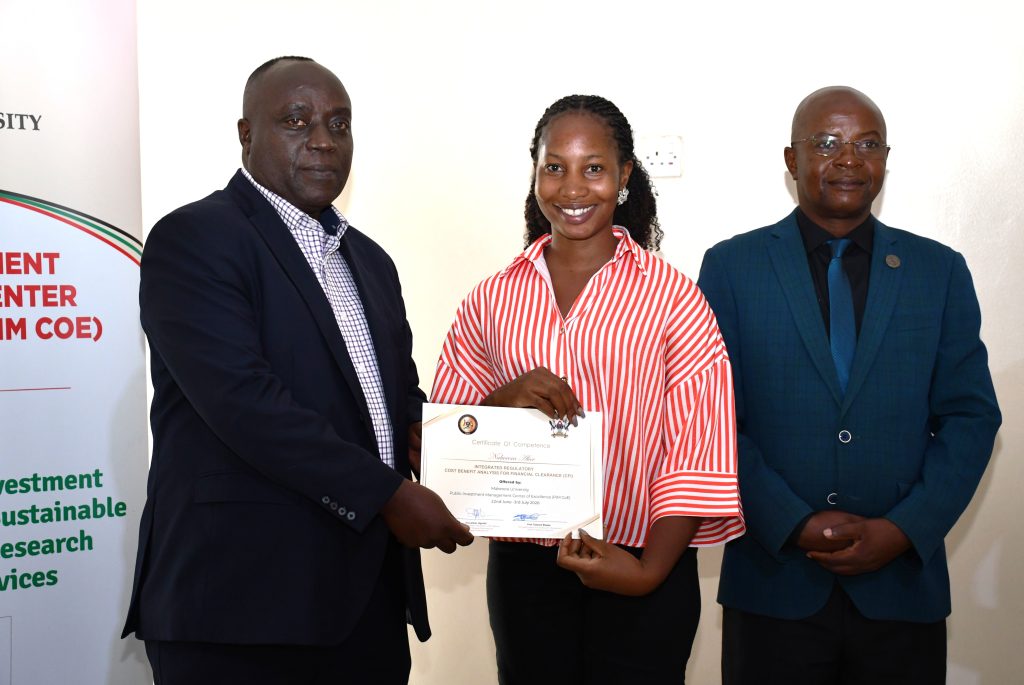
The ceremony concluded with the award of certificates to the 29 participants, marking the successful completion of the fourth cohort and reaffirming the commitment of Makerere University and the Ministry of Finance to building a cadre of public officers capable of strengthening evidence-based policymaking, improving fiscal discipline and enhancing the quality of public investment decisions in Uganda.