Building Skills for Better Public Investments: PIM Centre Trains Public Sector Economists
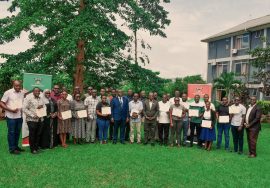
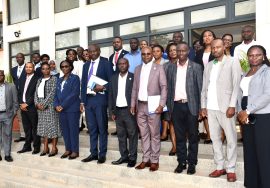
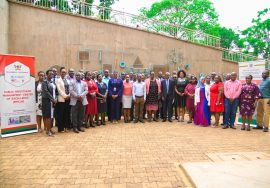
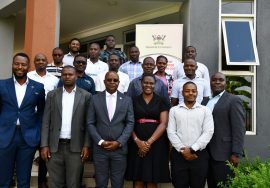
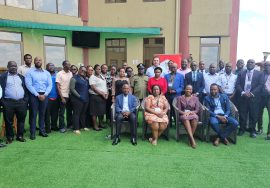
Away from the bustle of the city, in the calm setting of Mbarara, over 30 public service economists have gathered with a shared purpose: to strengthen the skills that shape how public resources are invested and how national development priorities are realised.
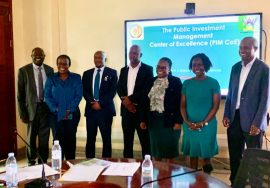
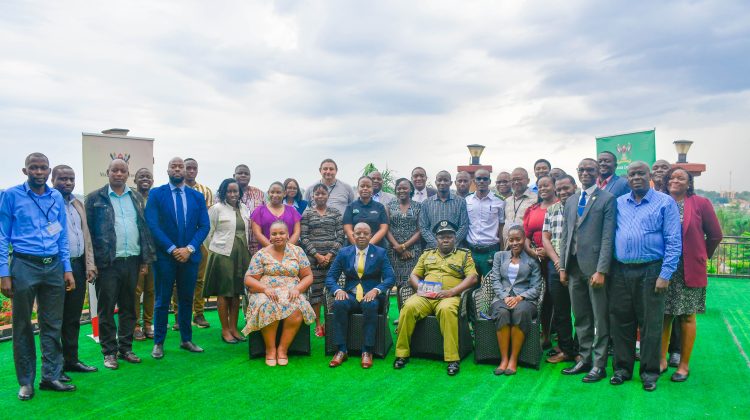
The two-week executive training on Economic Appraisal and Stakeholder Analysis, organised by the Public Investment Management (PIM) Centre of Excellence at Makerere University, officially commenced this week, bringing together public officers from across government, academia, state agencies, and civil society. At its core, the programme seeks to answer a fundamental question—how can Uganda ensure that every shilling invested in public projects delivers maximum economic and social value?
The training draws expertise from Makerere University, Cambridge Resources International (CRI), the Ministry of Finance, Planning and Economic Development (MoFPED), and the National Planning Authority (NPA), reflecting a strong partnership between academia, policy makers, and development practitioners. Participants represent a wide cross-section of institutions, including the Ministry of Internal Affairs, Uganda Tourism Board, MoFPED, Kiira Municipality, Wakiso Local Government, Kyambogo University, Makerere University, UEDCL, UNCST, UDC, the Uganda Police Force, Parliament of Uganda, and several civil society organisations.
Opening the programme on behalf of the Permanent Secretary and Secretary to the Treasury, Commissioner PAP, Ms. Gertrude Basiima, explained that the choice of venue was intentional. Holding the training away from the city, she noted, allows participants to concentrate fully and engage more deeply with the intensive content. Previous trainings held in similar settings, she added, had yielded positive results.
Ms. Basiima highlighted that the training is part of a long-standing strategic partnership between the Ministry of Finance and the PIM Centre of Excellence at Makerere University, housed in the School of Economics. Established in 2016, the collaboration was informed by diagnostic assessments that revealed persistent gaps in Uganda’s public investment management system—particularly in project identification, appraisal, selection, and implementation.
“These gaps are not merely technical,” she observed. “They determine whether public investments truly transform communities or fall short of their promise.”
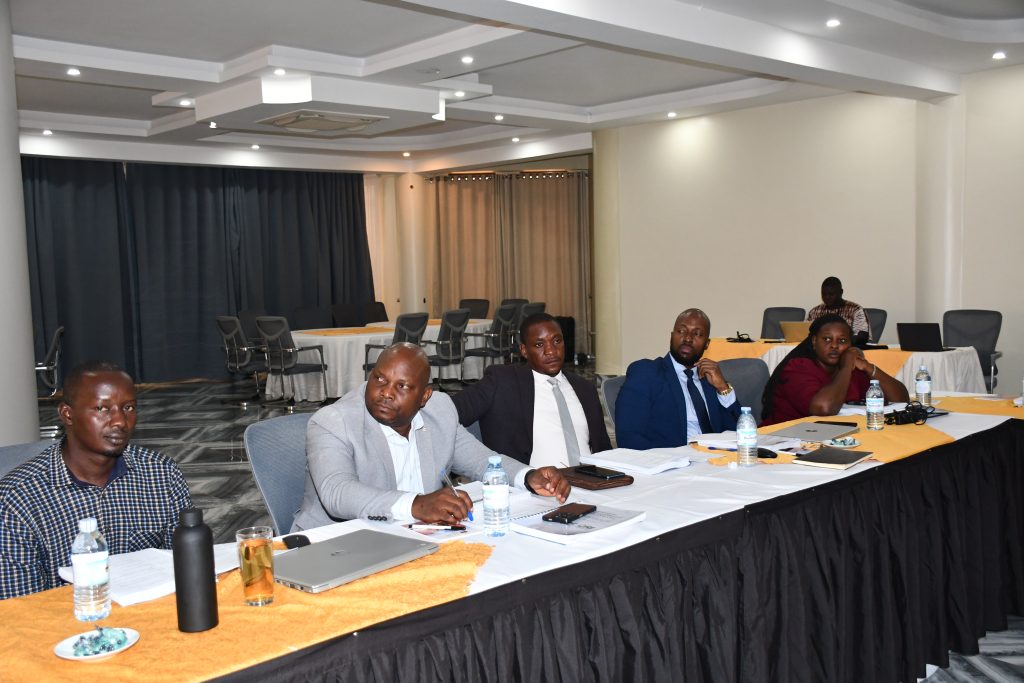
The training builds on earlier modules in financial appraisal, equipping participants with advanced competencies in economic appraisal and stakeholder analysis. Through practical case studies and hands-on exercises, participants will explore demand forecasting, economic pricing, and sector-specific appraisal techniques applicable to energy, water, transport, and agriculture. By the end of the programme, participants are expected to competently conduct cost-benefit analyses and assess whether proposed projects merit inclusion in the national budget.
Ms. Basiima emphasised that while many feasibility studies are prepared by consultants, public officers must be able to interrogate, quality-assure, and defend these studies before decision-making bodies such as the Development Committee. The training, she said, is designed to position participants to do exactly that.
For Prof. Edward Bbaale, Director of the PIM Centre of Excellence, the training comes at a critical moment in Uganda’s development journey. With the country implementing ambitious programmes under the National Development Plan IV and the Ten-Fold Growth Strategy, public investment has become a central driver of socio-economic transformation.
Across the country, Uganda is investing heavily in transport infrastructure, energy generation and transmission, irrigation systems to respond to climate change, industrial parks, digital infrastructure, education, and health facilities. Yet, as Prof. Bbaale cautioned, the success of these investments depends less on the volume of funding mobilised and more on the quality of project preparation and appraisal.
“Economic appraisal must be seen not as a box-ticking exercise, but as a strategic tool for national transformation,” he said. “It enables government to prioritise projects with the highest economic and social returns, minimise fiscal risks, and ensure value for money.”
Prof. Bbaale also underscored the strength of the multi-institutional partnership supporting the programme, noting that it blends global best practices with Uganda’s policy realities. At the conclusion of the training, participants will receive a tripartite certificate jointly issued by Makerere University, the Ministry of Finance, and Queen’s University, recognising their enhanced expertise in public investment management.

For the Manager of the PIM Centre of Excellence, Dr. John Sseruyange, the training is as much about mindset as it is about technical skills. He encouraged participants to remain disciplined, engage fully, and build professional networks that will endure long after the two weeks in Mbarara.
“The skills you gain here will not only strengthen you as individuals,” he noted, “but will directly influence the quality of public investment decisions made across Uganda.”
As the sessions unfold over the next two weeks, the training stands as a testament to Makerere University’s enduring contribution to national development—building capacity, shaping policy, and preparing public servants to make decisions that drive sustainable growth, economic resilience, and shared prosperity for all Ugandans.
Beyond training, the PIM Centre of Excellence continues to play a broader national role through research and policy advisory services. The Centre has supported the review of Development Committee guidelines and convened national dialogue through its annual Public Investment Management Conference, including last year’s conference themed “Overcoming Implementation Barriers in Public Investment Management for Fiscal Sustainability.”