Makerere Hosts Second Cohort of MoKCC&MA Procurement Officers for E&S Safeguards Training
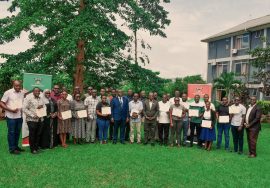
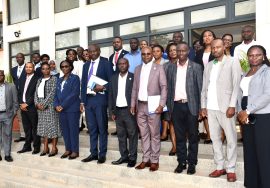
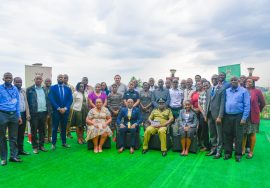
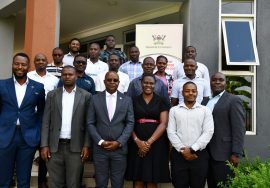
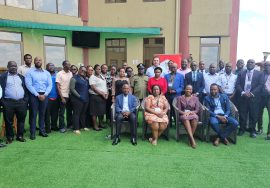
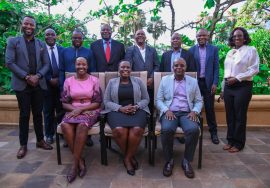
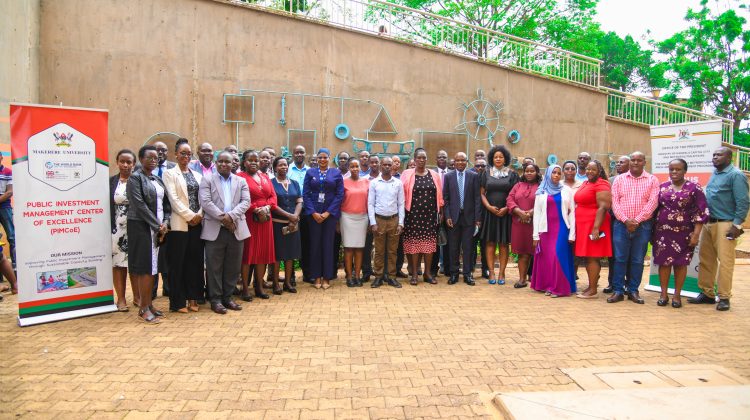
The second cohort of procurement and project officers from the Ministry of Kampala Capital City and Metropolitan Affairs (MoKCC&MA) has commenced a four-day training in Integrating Environmental and Social (E&S) Safeguards in the Procurement Cycle at Makerere University.
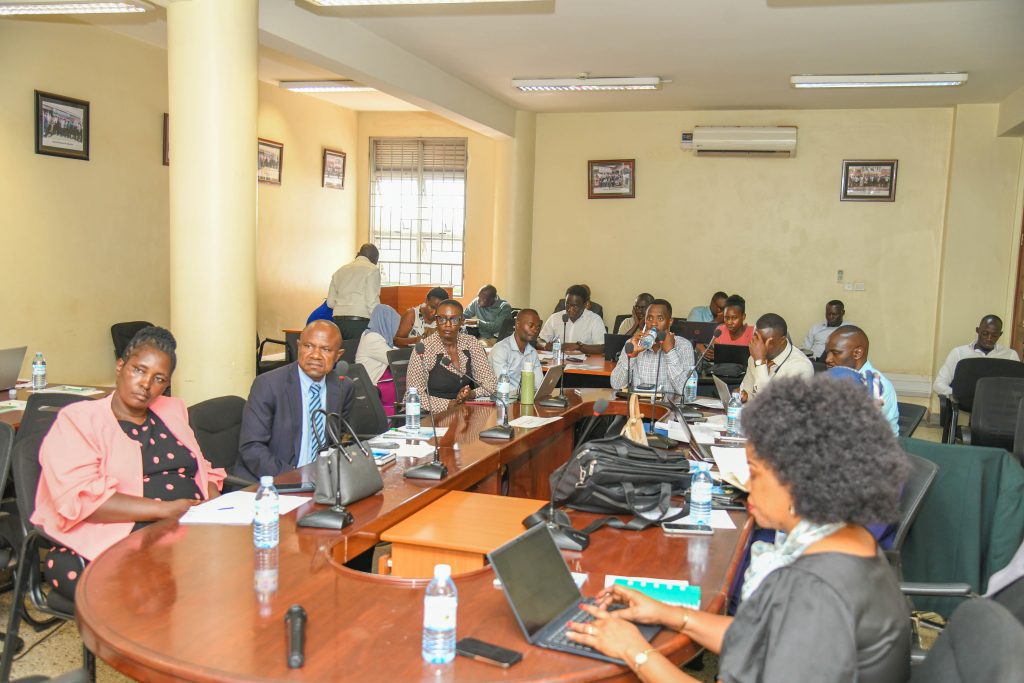
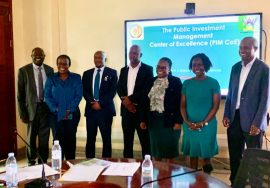
The training, which started on 17th February, is being conducted by the Public Investment Management (PIM) Centre of Excellence and brings together officers from Kampala Capital City Authority (KCCA), Entebbe Municipality, Kira Municipality, Mpigi District Local Government, and Wakiso District Local Government.
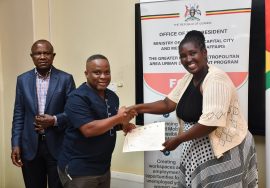
The programme was officially opened by the Under Secretary of MoKCC&MA, Ms. Monica Edemachu Ejua.
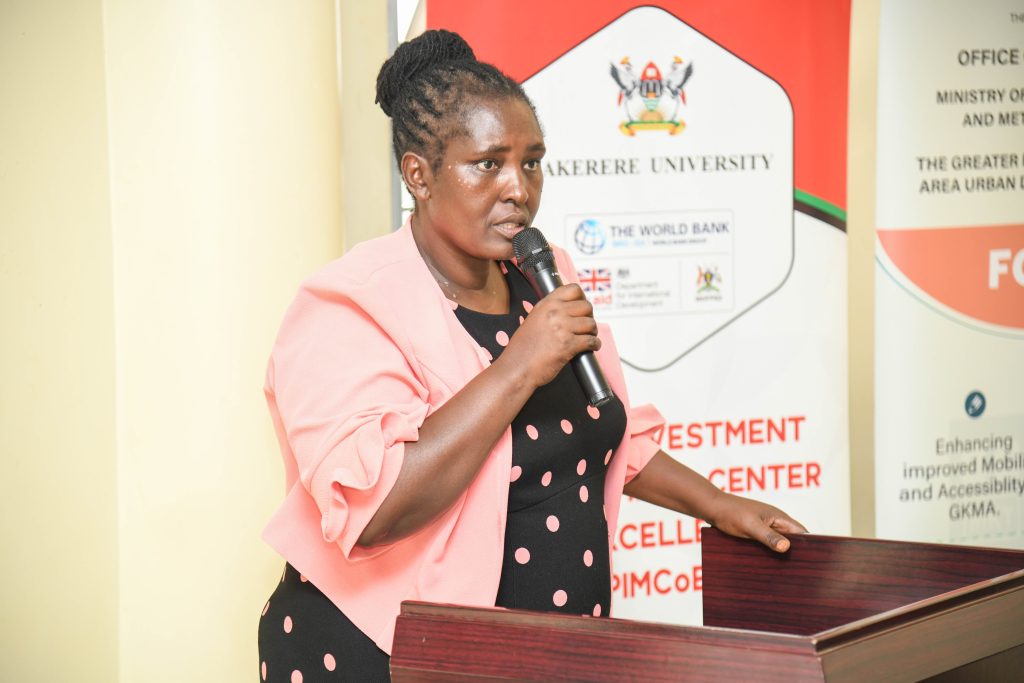
In her opening remarks, Ms. Ejua thanked Makerere University for strengthening the Ministry’s capacity and bringing on board facilitators with hands-on experience. She emphasized that the training is critical for effective implementation of the Greater Kampala Metropolitan Area Urban Development Programme (GKMA-UDP), which operates under a results-based financing framework.
Drawing from personal experience, she underscored the importance of mainstreaming environmental and social safeguards into government operations and even into school curricula. Using practical examples, from poor waste management practices to unsafe project sites—she highlighted the real-life consequences of weak compliance, including fatalities, environmental degradation, and social injustices.
She cited recent incidents within the GKMA programme, noting that failure to manage environmental and social risks can lead to suspension of project sites and reputational damage.
“We would rather prevent than deal with the death of somebody. Contractors know how expensive it is to deal with fatalities,” she stressed.
Ms. Ejua further challenged procurement professionals to recognize their central role in government performance.
“Procurement is the engine of government business. If it is not well managed from planning, the end result will be bad. But if we plan well, we shall end well,” she said.
She called for greater engagement with communities during project implementation and urged officers to become ambassadors of sustainable development beyond the classroom.
Strengthening the Public Investment Cycle
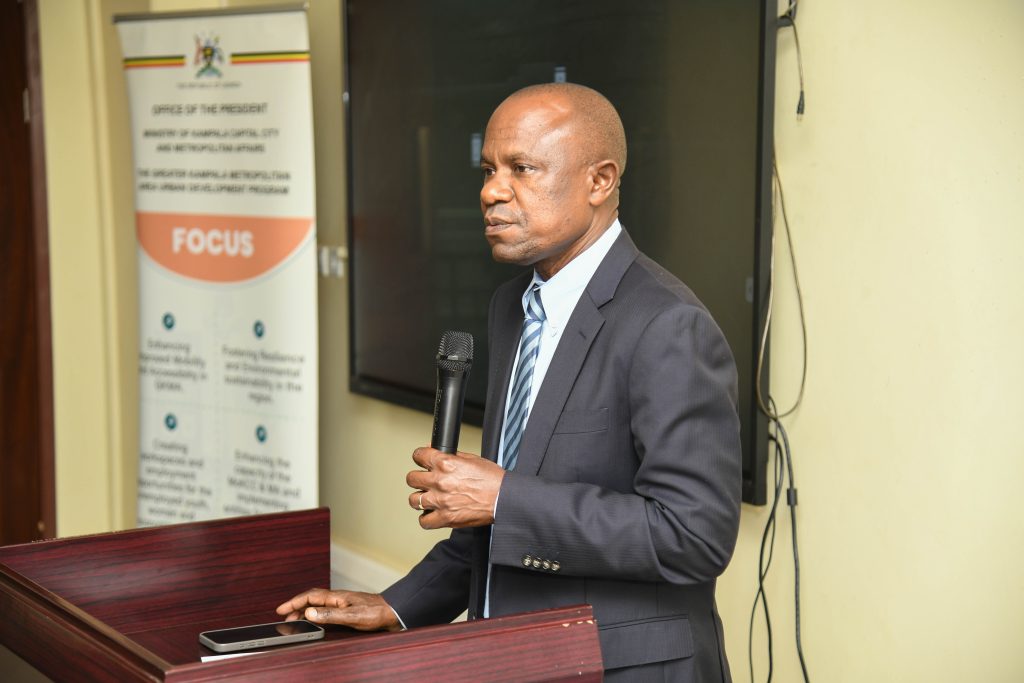
Welcoming participants, the Deputy Director of the PIM Centre of Excellence, Prof. Eria Hisali, emphasized that integrating environmental, social, health and safety considerations is as important as assessing financial and economic feasibility.
He noted that since 2009/2010, the Government of Uganda has allocated a significant share of its national budget—averaging 40–45 percent—towards capital development projects. Such large-scale investments, he said, demand robust systems to ensure value for money and sustainability across the entire public investment management cycle.
“Public investment management is not only about feasibility studies. It includes ideation, procurement, monitoring and evaluation, and sustainability considerations,” Prof. Hisali explained.
He encouraged participants to quantify the costs of non-compliance, including the economic implications of fatalities and environmental damage, arguing that evidence-based decision-making strengthens accountability and action.
World Bank Support and System Strengthening
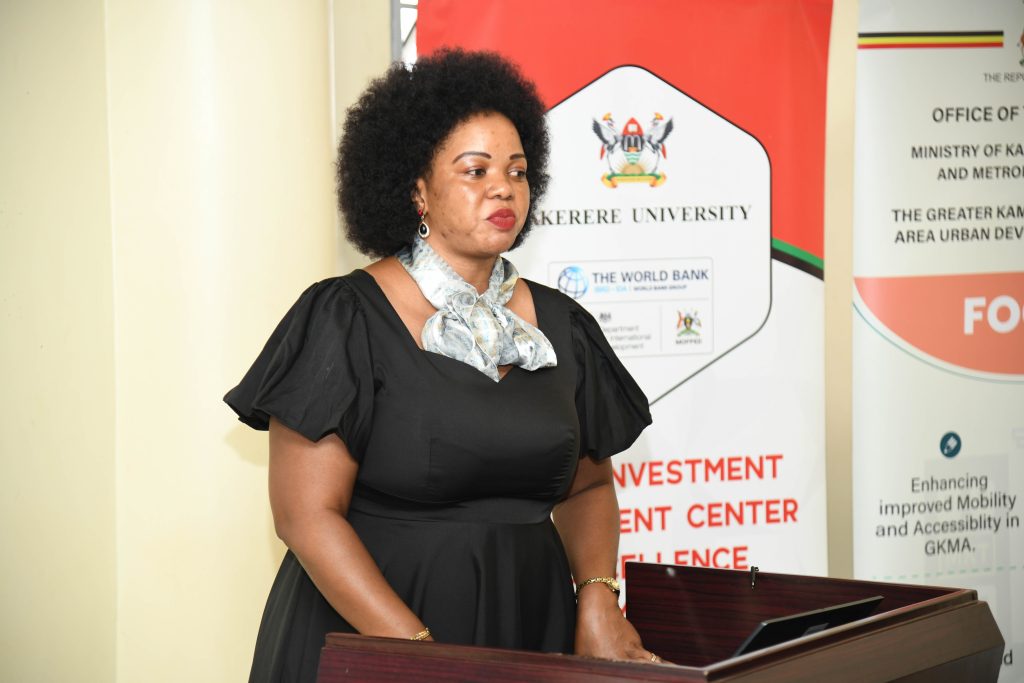
Representing, the funding agency, Ms. Maliam Acio Aalangdong, a Social Development Specialist from the World Bank, commitment to strengthening country systems for environmental and social risk management.
She revealed that Uganda’s World Bank portfolio currently stands at approximately USD 4.9 billion, making effective safeguards management a priority. She explained that projects are now governed under the Environmental and Social Framework (ESF), which places strong emphasis on integrating risk mitigation measures from project design through implementation.
Ms. Acio noted that previous assessments identified gaps in upstream mainstreaming of E&S issues, stakeholder engagement, land acquisition management, and social risk coverage. The partnership with Makerere University and other institutions aims to address these gaps through structured training and professional development.
She also highlighted that fatalities recorded under some projects in Uganda—including six in a single year under GKMA—underscore the urgency of building stronger compliance and monitoring systems.
Training Objectives
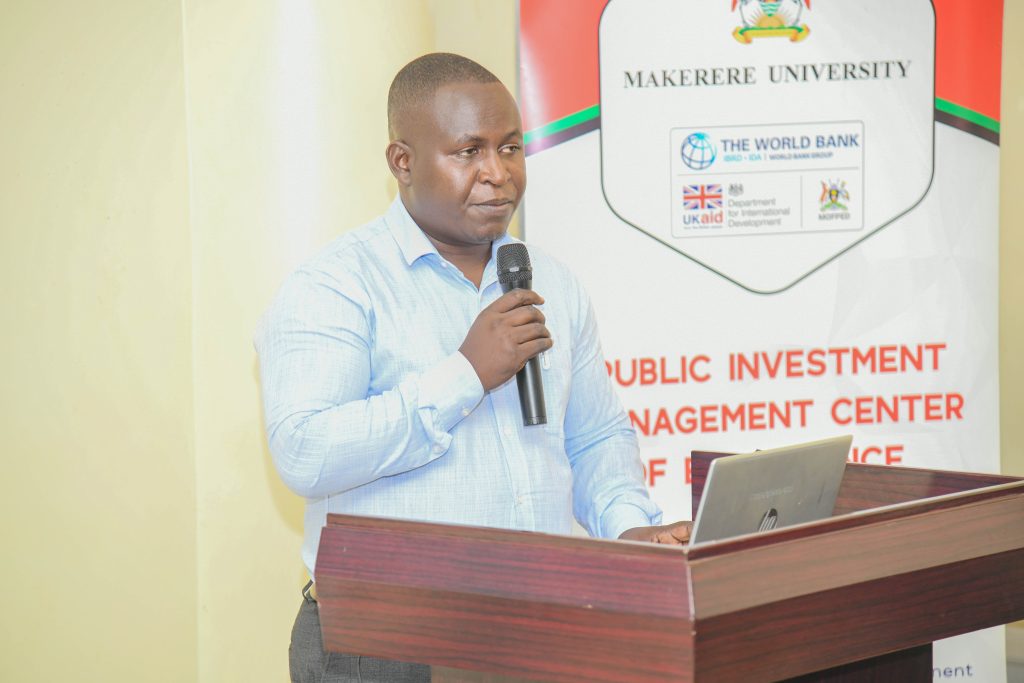
Presenting the objectives of the training, Dr. Bruce Rukundo from MoKCC&MA explained that the programme focuses on strengthening participants’ ability to systematically integrate environmental, social, health and safety (ESHS) considerations into all stages of the procurement cycle.
Participants will be equipped to:
- Identify and map E&S risks during project planning and procurement;
- Draft and review bidding documents that reflect E&S obligations, including occupational safety, labour management, and gender-based violence safeguards;
- Apply objective criteria in bid evaluation to ensure compliance;
- Monitor contractor performance using inspections, checklists, and reporting tools;
- Take timely corrective action during project implementation.
Dr. Rukundo emphasized that while contractors are responsible for compliance on site, the borrower remains ultimately accountable for managing environmental and social risks.
Expanding the Impact
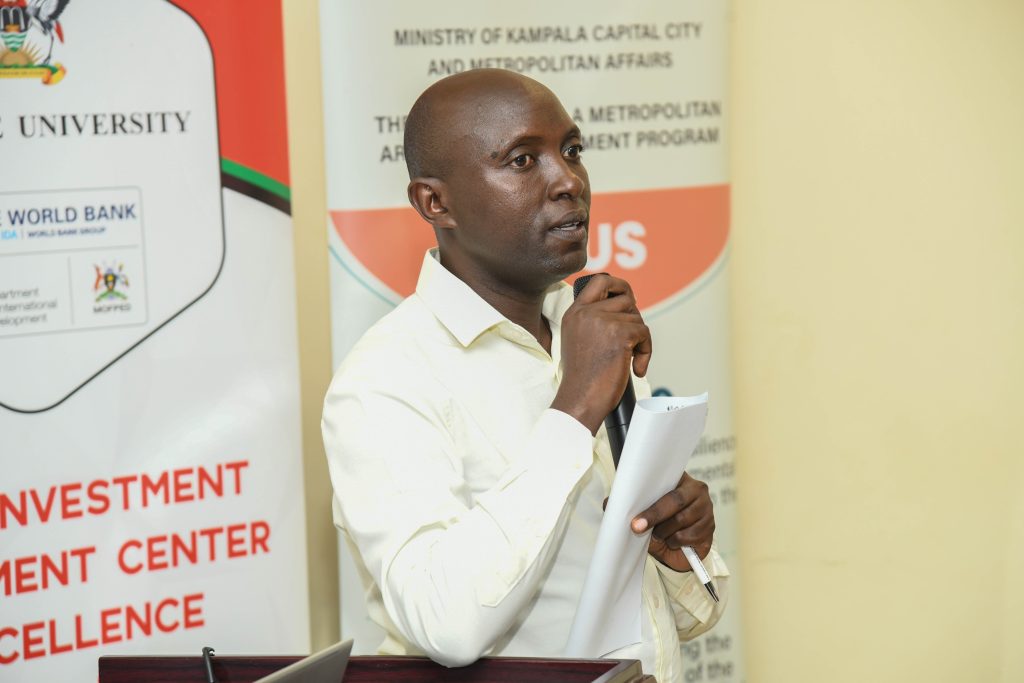
Dr. Jude Mugarura, Lead Trainer, noted that the first cohort completed its training successfully the previous week. The second cohort expands participation to additional metropolitan entities, with an expected total of about 40 participants.
He reiterated that the training is part of a broader strategy to institutionalize environmental and social safeguards within Uganda’s public investment management systems.
As the second cohort embarks on the four-day programme, participants have been urged to not only earn certificates but to translate knowledge into action, ensuring safer, more sustainable infrastructure development across the Greater Kampala Metropolitan Area and beyond.