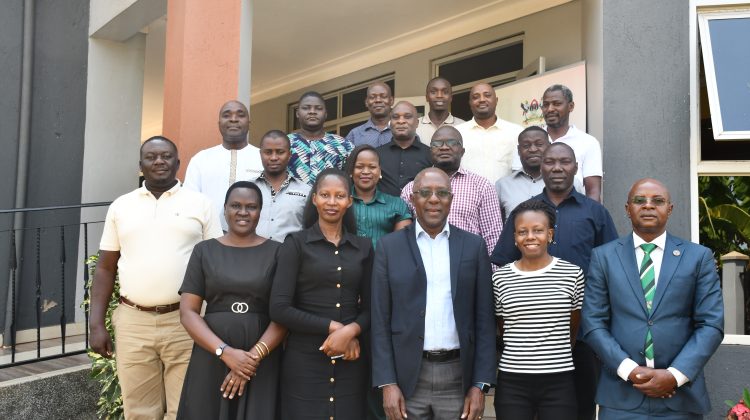
KCCA Officials Complete Two-Week Training in Economic Appraisal and Stakeholder Analysis
Jinja, September 4, 2026
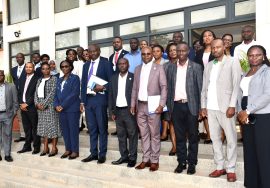
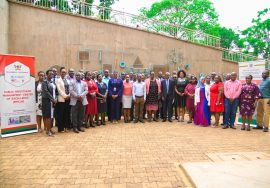
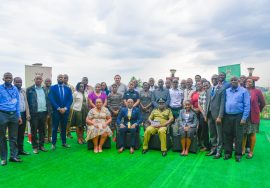
Officials from Kampala Capital City Authority (KCCA) have completed a two-week training in Economic Appraisal and Stakeholder Analysis, strengthening their capacity to prepare, assess and make informed decisions on public investment projects.
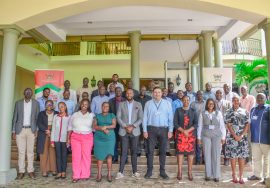
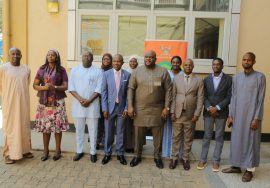
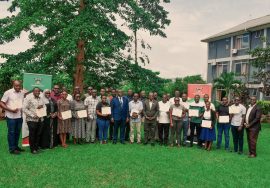
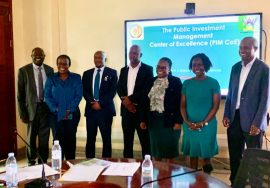
The training, held in Jinja from August 24 to September 4, 2026, was conducted under the Public Investment Appraisal and Risk Analysis Module II (PIAR II) programme by the Public Investment Management Centre of Excellence (PIM CoE). It brought together KCCA officials drawn from different professional backgrounds, including economic planning, engineering and other technical areas.
Speaking at the close of the training, Mr. Edison Masereka, Manager, Business Development and PPPs in the Strategy Management and Business Development Department at KCCA, commended the participants for their commitment throughout the programme and emphasised the importance of applying the knowledge gained to KCCA’s project preparation and implementation processes.
Mr. Masereka said the training comes at an important time for KCCA, given the range and complexity of projects undertaken by the Authority, which span infrastructure, transport and roads, as well as social sectors such as education, health and social protection.
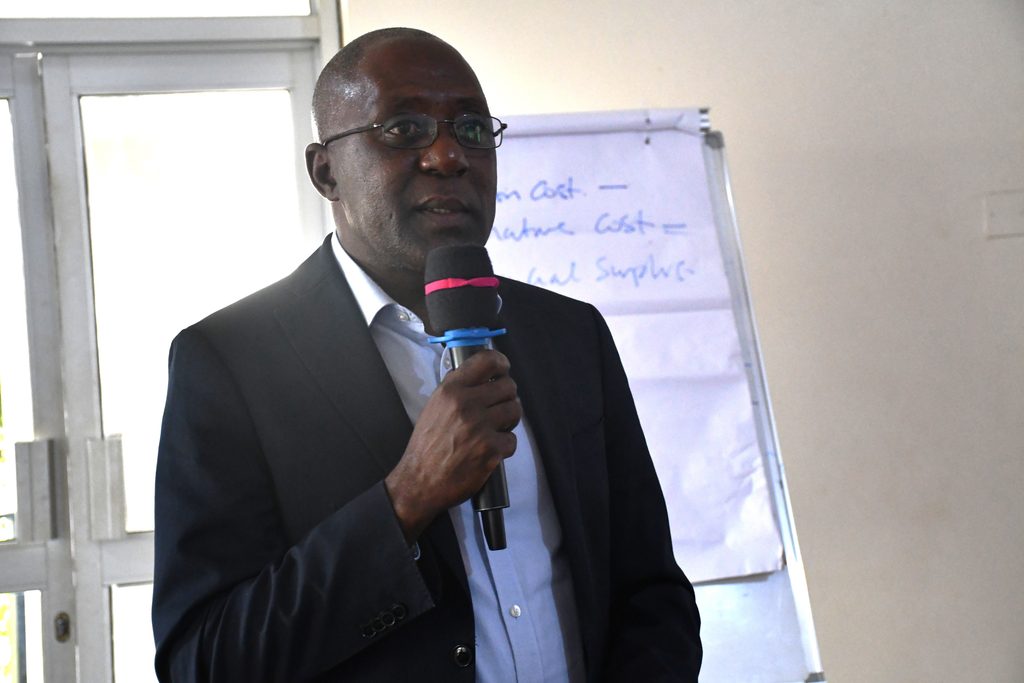
He noted that weaknesses in project preparation can contribute to challenges during implementation, including delays, changes to project designs and cost overruns. He therefore encouraged the participants to use the skills acquired during the training to improve the quality of project preparation and appraisal.
“The training does not stop here. This is probably just the beginning,” Masereka said, stressing the need for the officials to continue practicing and strengthening the skills acquired.
He also expressed KCCA’s interest in continuing its partnership with the PIM Centre of Excellence through practical engagement on actual KCCA projects, noting that such collaboration would provide an opportunity for the trained officials to apply and further strengthen their skills.
Building a stronger public investment management capacity
Prof. Edward Bbaale, Director of the Public Investment Management Centre of Excellence, congratulated the participants on completing the two-week programme and commended KCCA for deliberately investing in the professional development of its staff.
He noted that the cohort had undertaken a progressive capacity-building programme, having previously completed training in the Essentials of Public Investment Management as well as Financial Appraisal and Risk Analysis before advancing to Economic Appraisal and Stakeholder Analysis.
According to Prof. Bbaale, this approach is helping KCCA build an internal pool of officers with increasingly strong competencies across the public investment management cycle.
He challenged the participants to move beyond simply acquiring certificates and apply the knowledge in their day-to-day work.
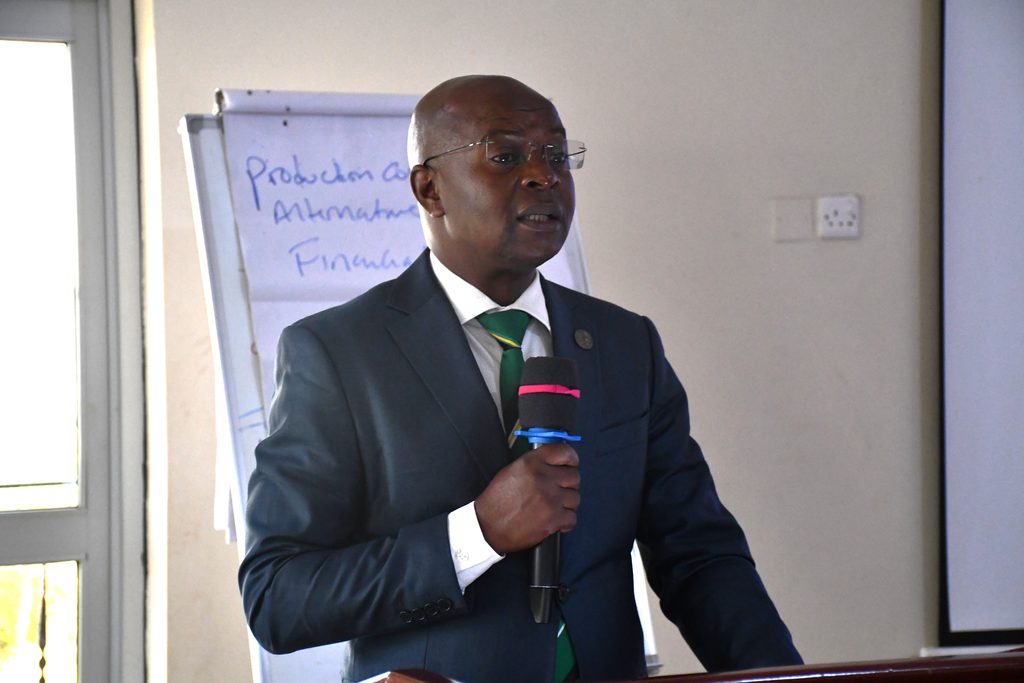
“Do not allow this training to remain in your notebooks or on your certificates. Apply it,” Prof. Bbaale urged the participants.
He emphasised that public projects should not be assessed solely on their ability to generate financial returns. Projects such as roads, drainage systems, public transport, street lighting, markets, water and sanitation may generate significant economic and social benefits even where direct financial revenues are limited.
For KCCA, he said, economic appraisal provides a broader basis for determining whether scarce public resources are being allocated to projects that generate the greatest benefits to society.
“Resources, however, will always be limited relative to our needs. We therefore cannot afford poorly conceived or inadequately appraised investments,” Prof. Bbaale said.
He encouraged KCCA to institutionalise the skills acquired through the training within its project preparation and decision-making processes and urged the participants to become champions of good Public Investment Management practice within the Authority.
Strengthening project preparation and decision-making
The training also highlighted the importance of stakeholder analysis in public investment. Prof. Bbaale observed that infrastructure and other public investments affect different groups—including residents, businesses, commuters, property owners and communities—in different ways.
He said understanding these interests early in the project cycle is essential for improving project design and implementation.
Masereka similarly highlighted the importance of strengthening the ability of KCCA officials to communicate and defend projects to different audiences. He noted that technical presentations to finance officials, senior management and political decision-makers require different approaches, while technical officers must have a strong understanding of the projects they are presenting.
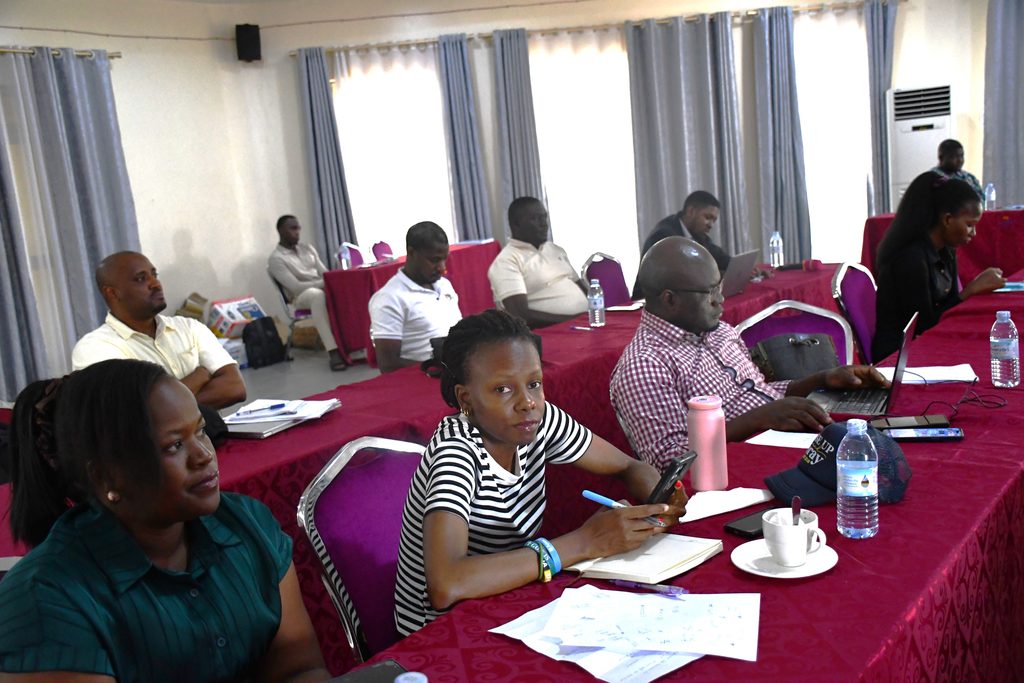
He further proposed continued engagement between KCCA and the Centre, including possible executive-level sessions to help senior decision-makers appreciate the principles and processes underlying project appraisal and investment decisions.
The proposal is intended to ensure that project appraisal competencies are understood not only by technical officers but are also appreciated at the institutional decision-making level.
From training to better projects for Kampala
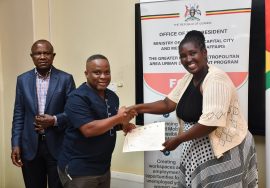
The closing ceremony marked the completion of the second module of PIAR II for the participating KCCA officials, but both KCCA and the PIM Centre of Excellence emphasised that the partnership should extend beyond the classroom.
Dr. John Sseruyange, the Manager of the Centre said the ultimate measure of the training would not be the certificates awarded to participants, but whether the acquired competencies translate into better-prepared projects, stronger appraisal reports, better investment choices and improved services for the people of Kampala.
He also reaffirmed the Centre’s commitment to continuing to work with KCCA through training, research, technical support and policy engagement.