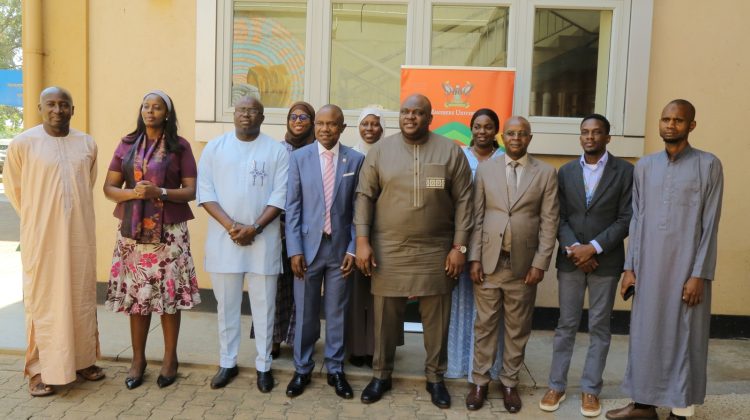
The Gambia Benchmarks Makerere’s Public Investment Management Model
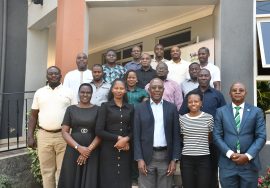
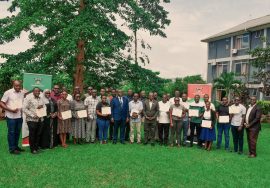
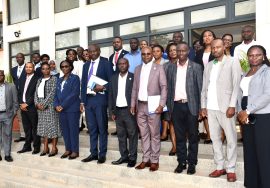
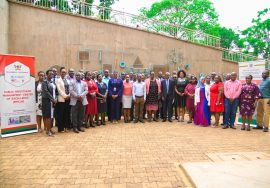
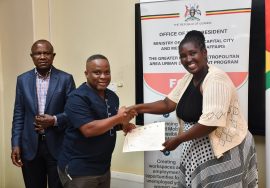
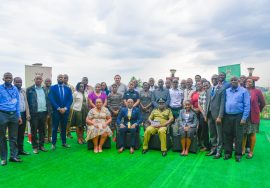
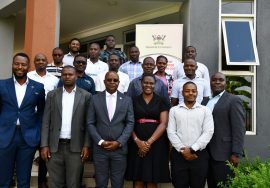
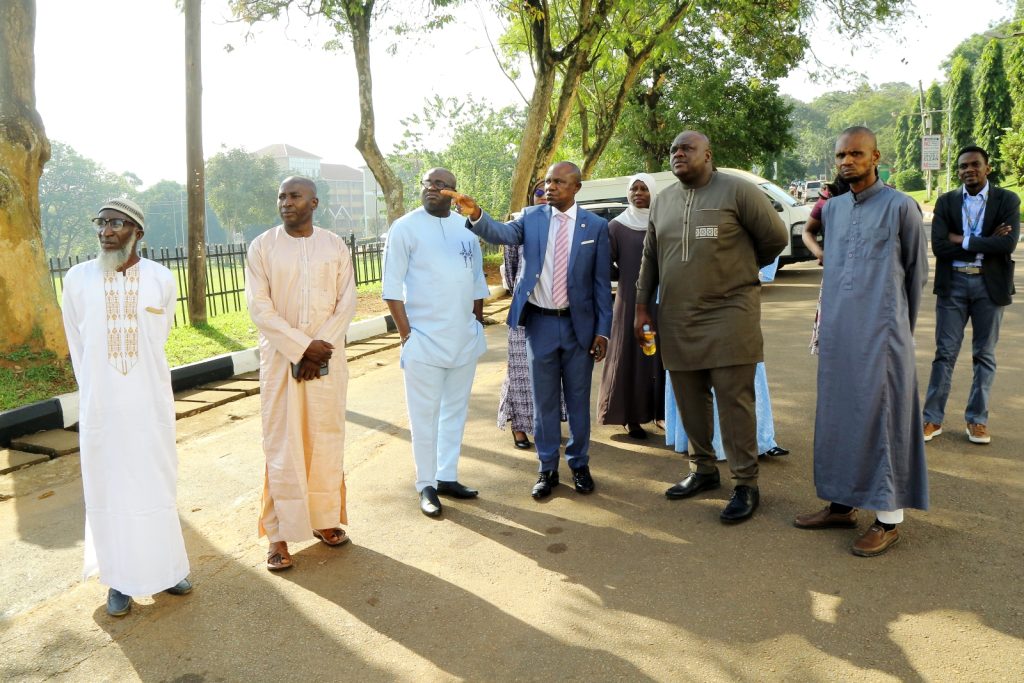
The Gambia is looking to deepen its public investment management (PIM) systems by drawing lessons from Uganda, with a high-level delegation from the West African country visiting Makerere University’s Public Investment Management (PIM) Centre of Excellence to benchmark Uganda’s experience.
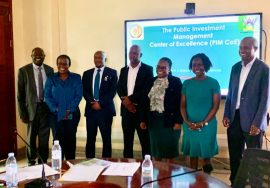
The delegation, led by Mr Baboucarr Jobe, Permanent Secretary in The Gambia’s Ministry of Finance, visited Makerere University’s Public Investment Management (PIM) Centre of Excellence to learn from Uganda’s approach to project conceptualisation, appraisal, implementation, monitoring and evaluation.
The visit is part of wider reforms being undertaken by The Gambia to strengthen its economic, judicial and institutional systems, with public investment management identified as a critical area for improvement.
Speaking during the visit, Mr Jobe said The Gambia had embarked on PIM reforms in collaboration with the International Monetary Fund (IMF), which advised the country to benchmark its systems against countries with relevant experience.
“Several countries were recommended, but we ultimately chose Uganda. I am happy to say that we are glad we selected Uganda for this assignment,” he said.
He noted that although the delegation initially intended to focus specifically on public investment management, the visit had exposed them to broader areas with potential for cooperation between Uganda and The Gambia.
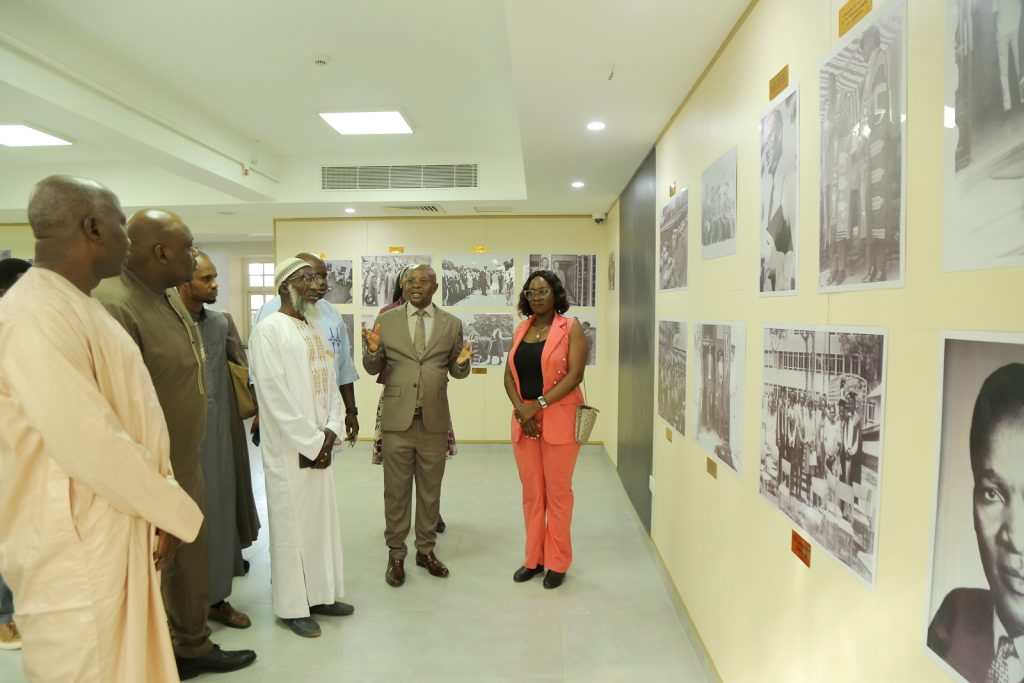
The delegation also visited Makerere University’s Innovation Centre, where it explored initiatives that could support collaboration between the two countries in advancing economic development.
Mr Jobe said institutions in The Gambia, including the University of The Gambia and the Civil Service University, could potentially collaborate with Makerere University and its Innovation Centre.
Closing gaps in public investment
Mr Jobe identified project conceptualisation, project evaluation, project implementation, monitoring and evaluation as some of the major gaps in The Gambia’s public investment management system.
He said the delegation was particularly impressed by Uganda’s systematic approach to managing public investments and the collaboration among institutions involved in the process.
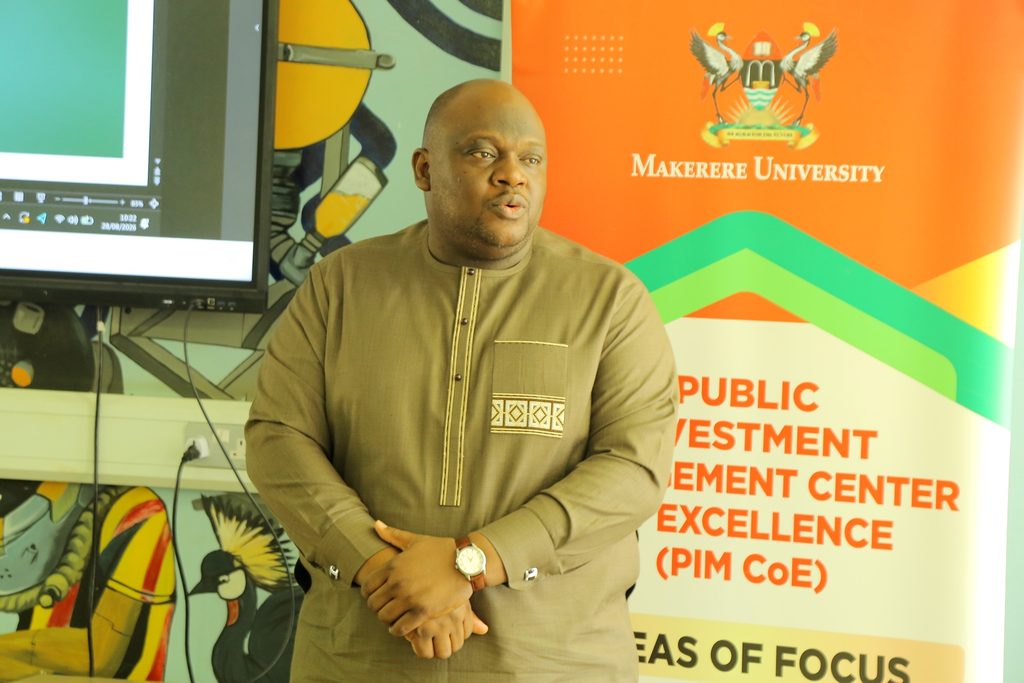
“What has impressed us in Uganda is the manner in which the public investment management process is carried out step by step,” he said.
The Gambian delegation also observed collaboration among key government institutions, including the Ministry of Finance, Office of the Prime Minister, Office of the President and other stakeholders.
Mr Jobe said such institutional collaboration was an important lesson that The Gambia would seek to replicate.
The delegation had an opportunity to participate in a Development Committee meeting, where they observed how different government offices work together to advance Uganda’s development priorities.
Makerere Centre plays key role
The visit was hosted by the Public Investment Management Centre of Excellence, which is integrated into Uganda’s broader public investment management system.
Prof. Edward Bbaale welcomed the Gambian delegation and said the visit provided an opportunity for peer learning and exchange of practical experiences between the two countries.
He said countries were at different stages of strengthening their public investment systems, making peer learning an important avenue for identifying approaches that could be adapted to different institutional contexts.
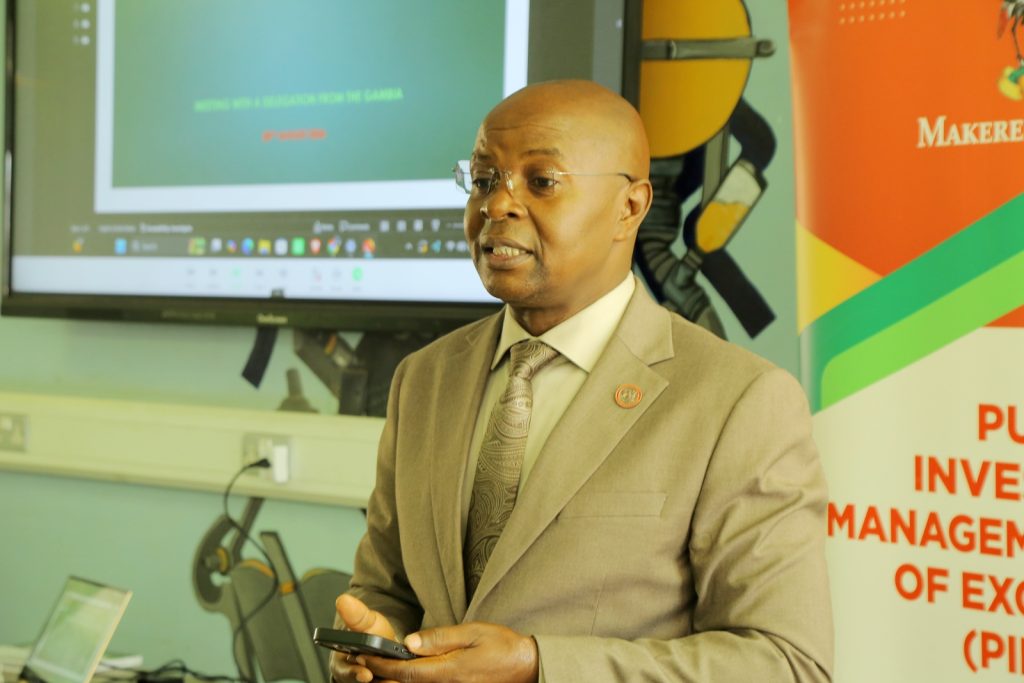
“We hope to share not only what has worked well, but also some of the challenges we have encountered and the lessons we have drawn from them,” Prof. Bbaale said.
He encouraged the delegation to engage openly with the Makerere team, ask questions and share their own experiences to ensure that the benchmarking exercise was practical and mutually beneficial.
Building capacity for better investments
Prof. Eria Hisali, who presented an overview of the Centre, emphasised the importance of strengthening public investment systems to ensure that limited public resources are used effectively.
He explained that capital investments remain a key driver of economic growth, but governments often face resource constraints that make it impossible to implement every proposed project.
A strong public investment management system, he said, enables governments to assess and select projects based on their potential returns and development impact. The Centre aims to support this process by building a pool of well-prepared projects at different stages of development, enabling government to make informed decisions about which projects to finance and implement.
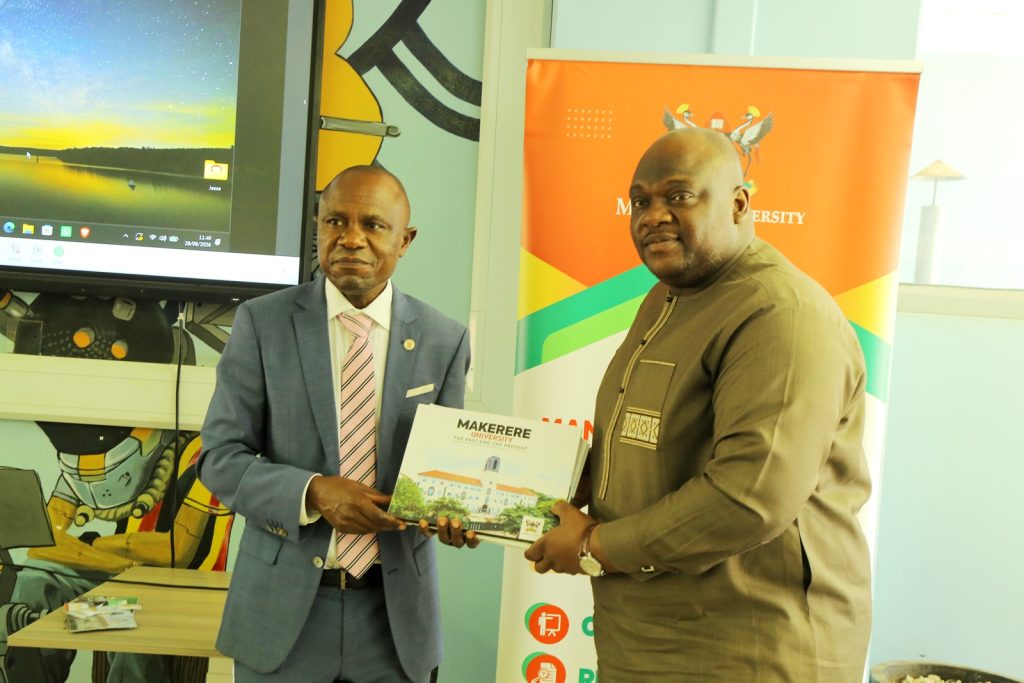
The PIM Centre of Excellence was established with support from the Foreign, Commonwealth and Development Office (FCDO), the UK Trust Fund and the Government of Uganda. It initially operated as a project before being mainstreamed into the Government of Uganda, with its resources now coming directly from government.
Since its establishment, the Centre has trained 526 public-sector officials in areas related to public investment management.
Its training programmes cover key stages of the PIM cycle, including project conceptualisation, integrated analysis, feasibility studies, financial and economic appraisal, risk analysis, project execution, procurement and evaluation.
Strengthening South–South cooperation
For Mr Jobe, the visit was also an opportunity to challenge the tendency of African countries to look outside the continent for solutions to development challenges.
He argued that African countries operate in broadly similar environments and face many common challenges, making the continent an important source of knowledge and practical solutions.
“We need to move away from always looking outside Africa for solutions. There are many valuable initiatives being undertaken by our African brothers and sisters, and it is important that we learn from one another,” he said.
He proposed stronger partnerships between institutions in Uganda and The Gambia, including possible collaboration between universities and civil service training institutions.
“This visit is one step in that direction. South–South cooperation needs to be further strengthened,” he said.
Investing limited resources for greater impact
The Gambian delegation’s interest in public investment management is closely linked to the country’s development challenges.
According to Mr Jobe, The Gambia’s GDP is currently just under US$3 billion, with annual economic growth estimated at between five and six per cent. Inflation has declined significantly from double-digit levels to approximately seven per cent, although poverty remains high at more than 50 per cent.
He said strengthening public investment management was therefore essential to ensuring that the country’s limited public resources generate tangible benefits for citizens.
“This visit will help us ensure that public investment and the limited public resources available to us are utilised efficiently and provide benefits to the average Gambian,” he said.
He added that achieving value for money from public resources would enable citizens to experience greater benefits from government investments and contribute to poverty reduction.
The visit marked an important step towards strengthening institutional cooperation between Uganda and The Gambia, while positioning Makerere University and its PIM Centre of Excellence as a potential partner in building public-sector capacity beyond Uganda.